

Publications
Stache Lab Publications
Research Articles
-
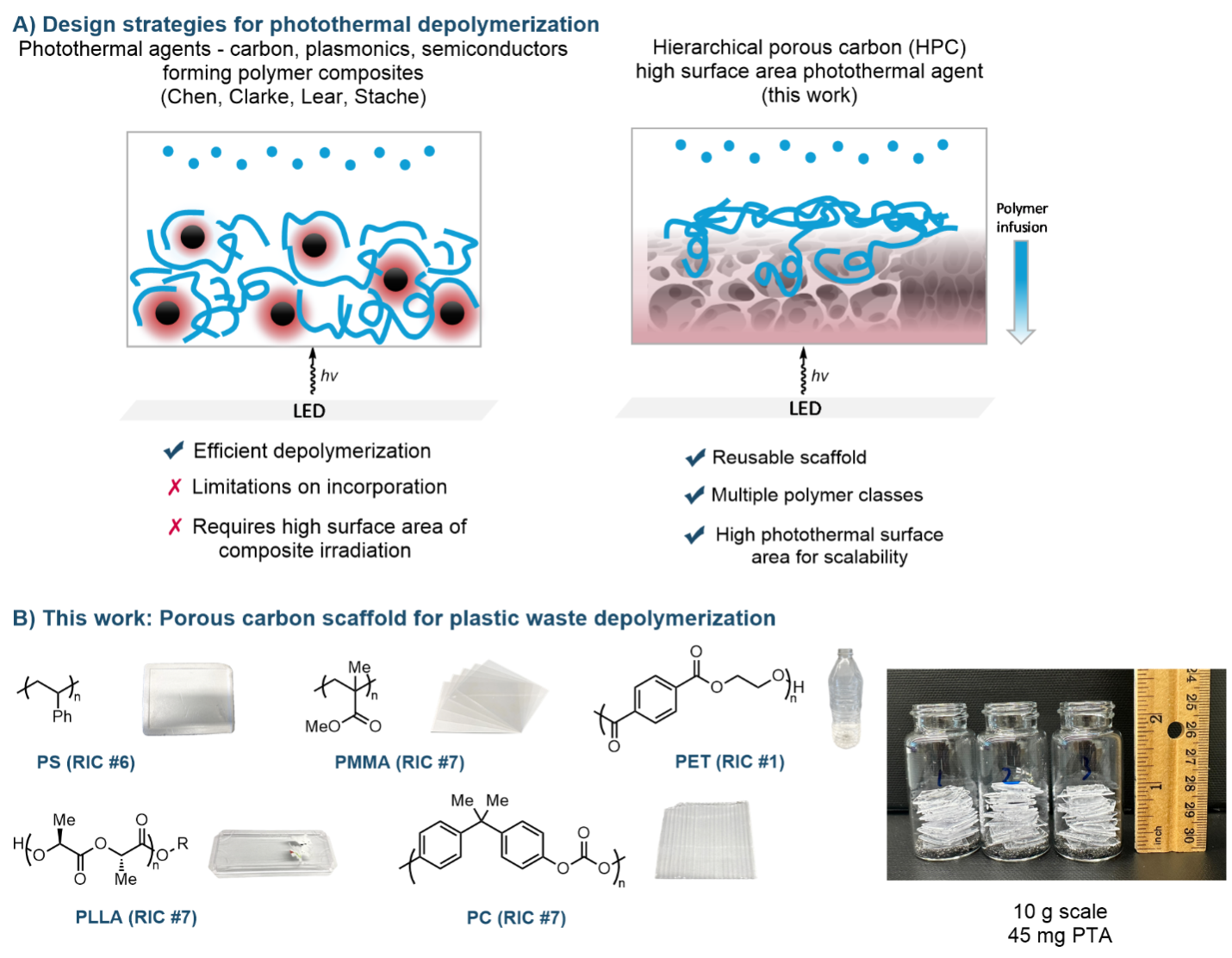
A Universal Photothermal Recycling Strategy for Post-Consumer Plastics using Bio-Derived Porous Carbon
Communication
Publication Abstract
Chemical recycling of plastics into monomers offers a promising strategy for addressing global plastic pollution. However, most chemical recycling methods are limited to specific polymers. Pyrolysis offers generality for universal polymer recycling; however, overheating leads to energy inefficiencies and degradation products, which limits its practicality. Herein, we report a photothermal depolymerization approach that is general to numerous polymers with high selectivity. Distinct from previous approaches, we identify a porous carbon material derived from proteins as a high-surface-area photothermal agent that does not require direct incorporation into polymer resin. Using low carbon loadings, we successfully depolymerize a wide range of polymers, including polystyrene (PS), poly(methyl methacrylate) (PMMA), polyvinyl acetate (PVAc), polyvinyl alcohol (PVA), trans-polyisoprene, polypropylene carbonate (PPC), poly(L-lactide) (PLLA), polyethylene terephthalate (PET), and polycarbonate (BPA-PC). Additionally, the porous carbon material is reusable at least five times by sequentially adding polystyrene films to the post-reacted porous carbon materials. Excitingly, this method is broadly applicable to post-consumer plastics without preprocessing and is readily scalable, demonstrating the versatility of this closed-loop chemical recycling approach.
-
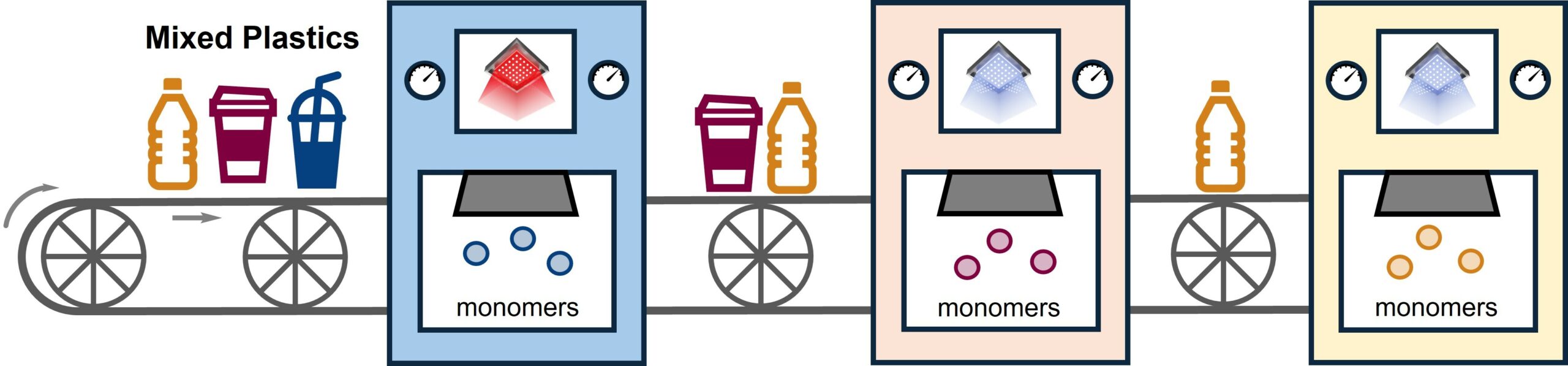
Selective Sequential Depolymerization of Mixed Plastics Mediated by Photothermal Conversion
Angew. Chem. Int. Ed., 2026, e2075380.
Communication
Publication Abstract
Chemical recycling of plastics into monomers is a promising strategy to achieve a circular economy. However, selective depolymerization methods for mixed plastics are still underdeveloped. Herein, we report a selective and sequential depolymerization strategy for mixed plastics, including poly(L-lactide) (PLLA), polystyrene (PS), and poly(ethylene terephthalate) (PET), using photothermal conversion. We were able to selectively depolymerize PLLA into L-lactide in the presence of PS and PET. Then, PS was selectively depolymerized to styrene, followed by the depolymerization of PET into its monomer. Our protocol was carried out in one pot without any additional purification of the unreacted plastics at each stage. This method was successfully applied to mixtures of post-consumer waste plastic.
-
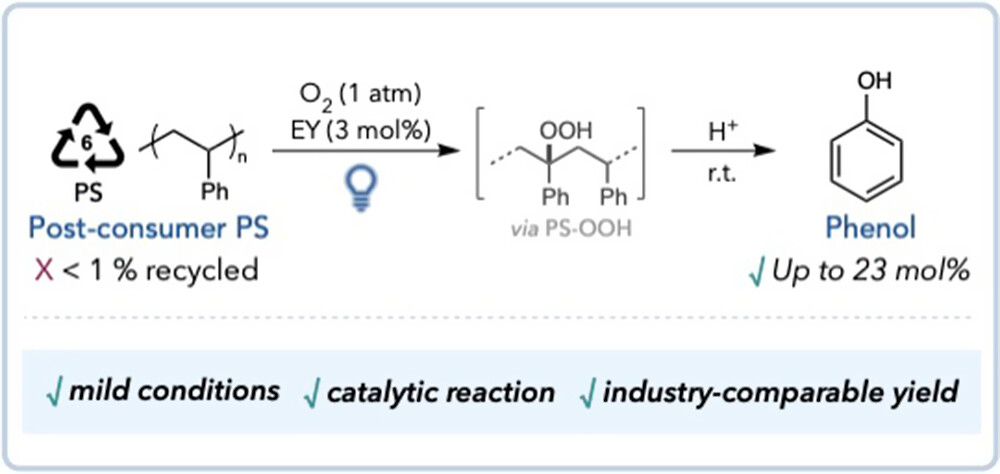
Photooxidative Upcycling of Post-Consumer Polystyrene Plastics into Phenol Using Eosin Y
ACS Catal. 2026, 16, 13, 12135–12140.
Article
Publication Abstract
Phenol is a commodity chemical frequently used in the manufacturing of resins, pharmaceuticals, and polymers. Yet, its industrial production from cumene requires harsh oxidative conditions followed by the Hock rearrangement. Polystyrene (PS) is a widely manufactured commodity polymer; however, it is among the least recycled plastics. Intriguingly, it is composed of contiguous cumene repeats that could serve as a phenol source, enhancing its value as a waste material. In this work, we leverage the similarity between cumene and PS to drive phenol production via a mild photooxidative HAT mechanism. Using Eosin Y under blue light irradiation and atmospheric pressure of oxygen, commercial PS resin was converted into hydroperoxyl PS. Subsequent acid-catalyzed Hock rearrangement afforded up to 21% yield of phenol. The photooxidation system was successfully applied to 8 post-consumer PS plastics, achieving phenol yields up to 23%, comparable to those of the current industrial Hock process. Our method introduces a mild catalytic strategy for converting post-consumer PS into phenol, offering a potential pathway for PS waste valorization.
-
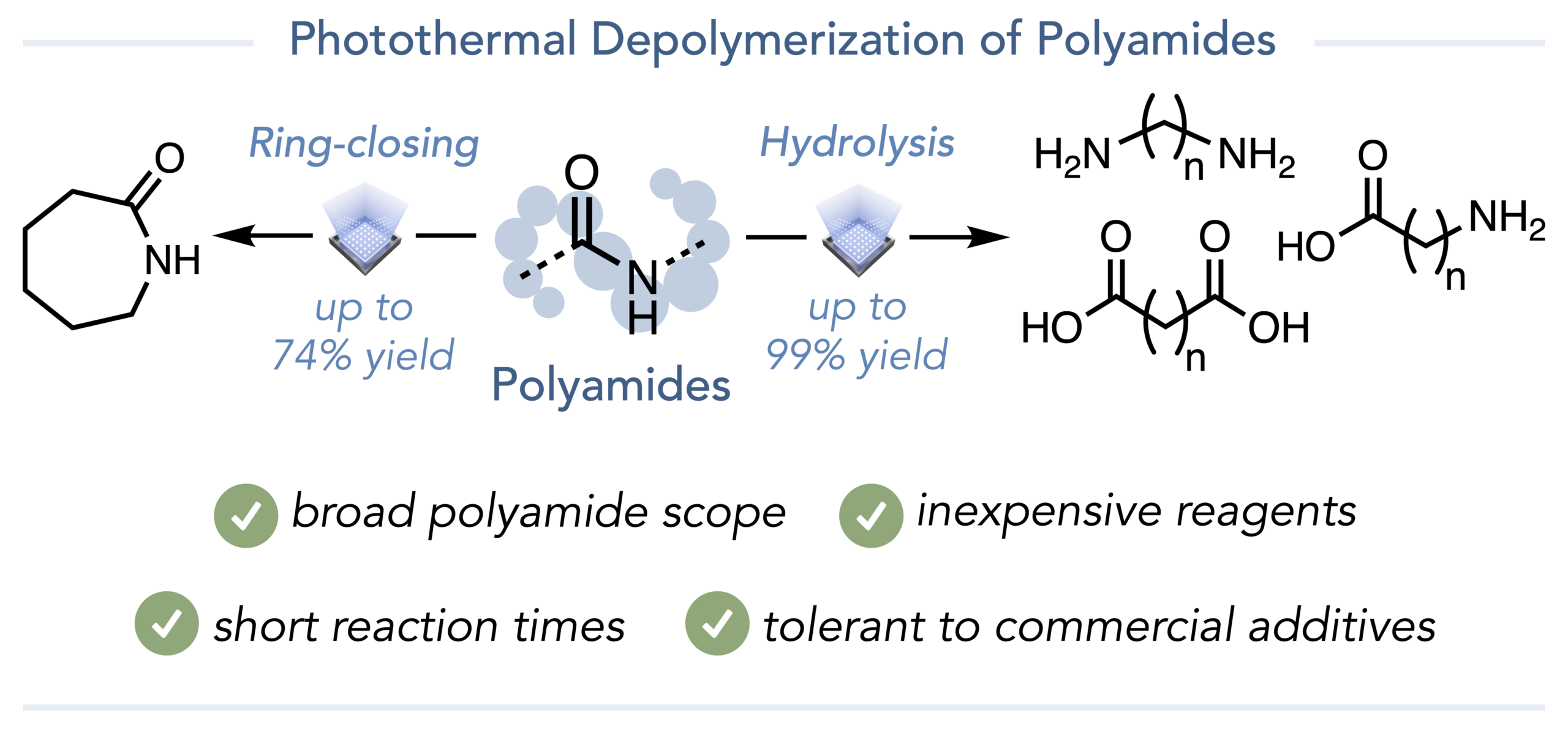
Universal Approach for the Depolymerization of Polyamides via Photothermal Conversion
J. Am. Chem. Soc. 2026, 148, 17, 18256–18264
Article
Publication Abstract
Polyamides (PAs) exhibit excellent chemical stability and mechanical resistance, yet these same characteristics lead to their widespread accumulation in the environment as pollution. In this work, we developed an inclusive and operationally simple photothermal strategy to recycle PAs, overcoming the high energy barriers necessary to break down these materials. PAs can be depolymerized using photothermally mediated ring-closing depolymerization and acidic hydrolysis to afford cyclic and linear monomers using carbon black as a photothermal agent (PTA) under visible light irradiation. We showed that polyamide 6 is efficiently depolymerized to ε-caprolactam with 74% yield in 10 min. Similarly, in 1 h, the photothermal acidic hydrolysis of polyamide 6,6 afforded hexamethylene diamine and adipic acid with 97 and 96% yields, respectively. This method was further applied to a variety of aliphatic and aromatic PAs and mixed PA waste. Both photothermally promoted processes effectively depolymerize pigment-containing postconsumer waste by leveraging existing black pigments as PTAs. Here, photothermal conversion provided a general and rapid route for PA depolymerization under visible light irradiation, enabling high monomer yields with inexpensive reagents and a general tolerance to additives, demonstrating this approach’s potential for a circular plastic economy.
-
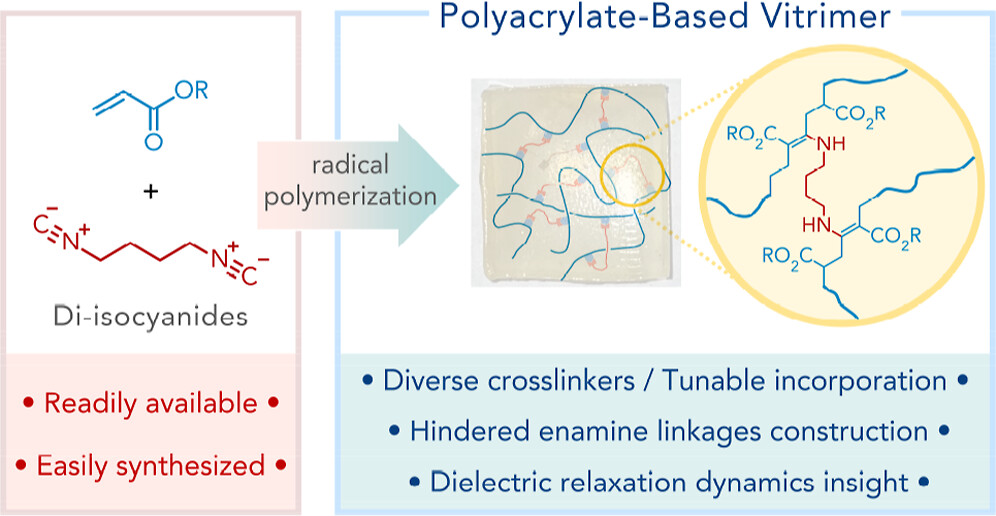
Polyacrylate Vitrimer Network via In Situ Isocyanide Copolymerization: Synthesis and Molecular Dynamics
J. Am. Chem. Soc. 2026, 148, 10, 11047–11057
Article
Publication Abstract
Widespread plastic pollution highlights the urgent need for materials with sustainable end-of-life management. Vitrimers, cross-linked polymers containing dynamic covalent bonds, combine the durability of thermosets with their recyclability. Here, we report a one-step photocopolymerization using multifunctional isocyanides as readily accessible cross-linkers that directly introduce vinylogous urethane-like linkages into polyacrylate networks, structures difficult to obtain via amine–β-ketoester condensation. The resulting materials show good reprocessability, maintaining a comparable mechanical performance after three processing cycles. Broadband dielectric spectroscopy (BDS) reveals that the temperature dependence of the bond-exchange relaxation times evolves from a kink-like response in fresh samples to Arrhenius behavior after annealing, visualizing topological rearrangement and defect healing. A scaling relationship between bond-exchange relaxation and electrical conductivity establishes that the former is the underlying mechanism for charge transport in vitrimers. Furthermore, dipolar intermediates generated during bond exchange increase the dielectric permittivity, providing new insight into designing sustainable dielectric materials.
-
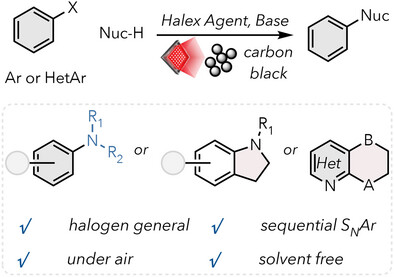
Photothermal Conversion Promotes Challenging SNAr for Facile C–N Bond Formation
Angew. Chem. Int. Ed., 2026, e22296
Article
Publication Abstract
Nucleophilic aromatic substitution (SNAr) is a valuable and widely used method for forming aromatic C–N bonds, which are of immense interest in both industry and academia. However, there remains a longstanding challenge in applying this approach to less activated electrophiles, due to negative charge buildup in the transition state, resulting in high activation energy barriers. Inspired by our previous work on the Newman Kwart Rearrangement (NKR), a high barrier (35-43 kcal/mol) C–S bond forming reaction, we sought to leverage photothermal conversion for challenging C–N bond forming SNAr reactions. In this work, we demonstrate that incorporation of an inexpensive photothermal agent, carbon black, and irradiation with red light affords several lightly activated, intermolecular substitution reactions. Attempts to apply this approach to electron neutral and electron rich aryl halides resulted in unproductive reactivity, leading us to examine the reaction barriers. Computations revealed elevated barriers which were within the range previously achieved during our photothermally mediated NKR. Electron neutral, intramolecular analogs were synthesized and found to undergo productive reactivity in short time frames (3-20 minutes), indicating that the inhomogeneous nature of the photothermal heating was a challenge in terms of colocalizing two reactants sufficiently close to the nanoparticle surface. This concept was further leveraged into a one pot, two step SNAr, where an initial intermolecular reaction occurs at a lower barrier, which then primes the substrate for a second, intramolecular substitution. This approach allowed for the formation of a diverse scope of fused heterocycles.
-
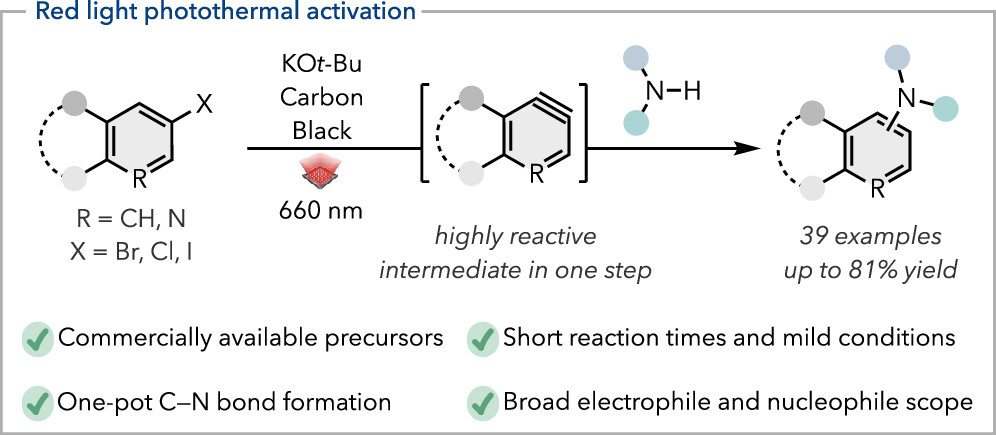
Aryne Generation from Aryl Halides Via Photothermal Red-Light Activation
J. Am. Chem. Soc., 2025, 147, 51, 46759–46765
Communication
Publication Abstract
Multistep synthetic methods requiring harsh conditions and poor atom economy are central to the generation of aryne precursors. The Kobayashi method remains the standard for aryne generation, and newer methods have relied on similar strategies for activated precursors for mild aryne generation. Here, we show the generation of arynes from commercially available aryl or heteroaryl halides via photothermal conversion in air using red light. With photothermal conversion, a high-energy aryne intermediate is formed via inhomogeneous thermal gradients. Nitrogen nucleophiles then readily trap the aryne intermediate to forge C–N bonds, an essential bond in pharmaceutical and agrochemical synthesis, simplifying traditional methods that use aryl halides as aryne precursors. A wide range of readily available heteroaryl and aryl halides undergo amination in less than 20 min under red light irradiation of carbon black. The product regioselectivity matches the expected distribution from aryne trapping, further supporting an aryne mechanism. Additionally, we show aryne trapping via a [4 + 2] cycloaddition, with a sulfur nucleophile, and a one-pot double amination with 1,2-dibromobenzene. This photothermal method using commercially available aryl/heteroaryl halides enables on-demand access to arynes without inert conditions, solvent, and additional synthetic steps, overcoming operational barriers of existing approaches.
-
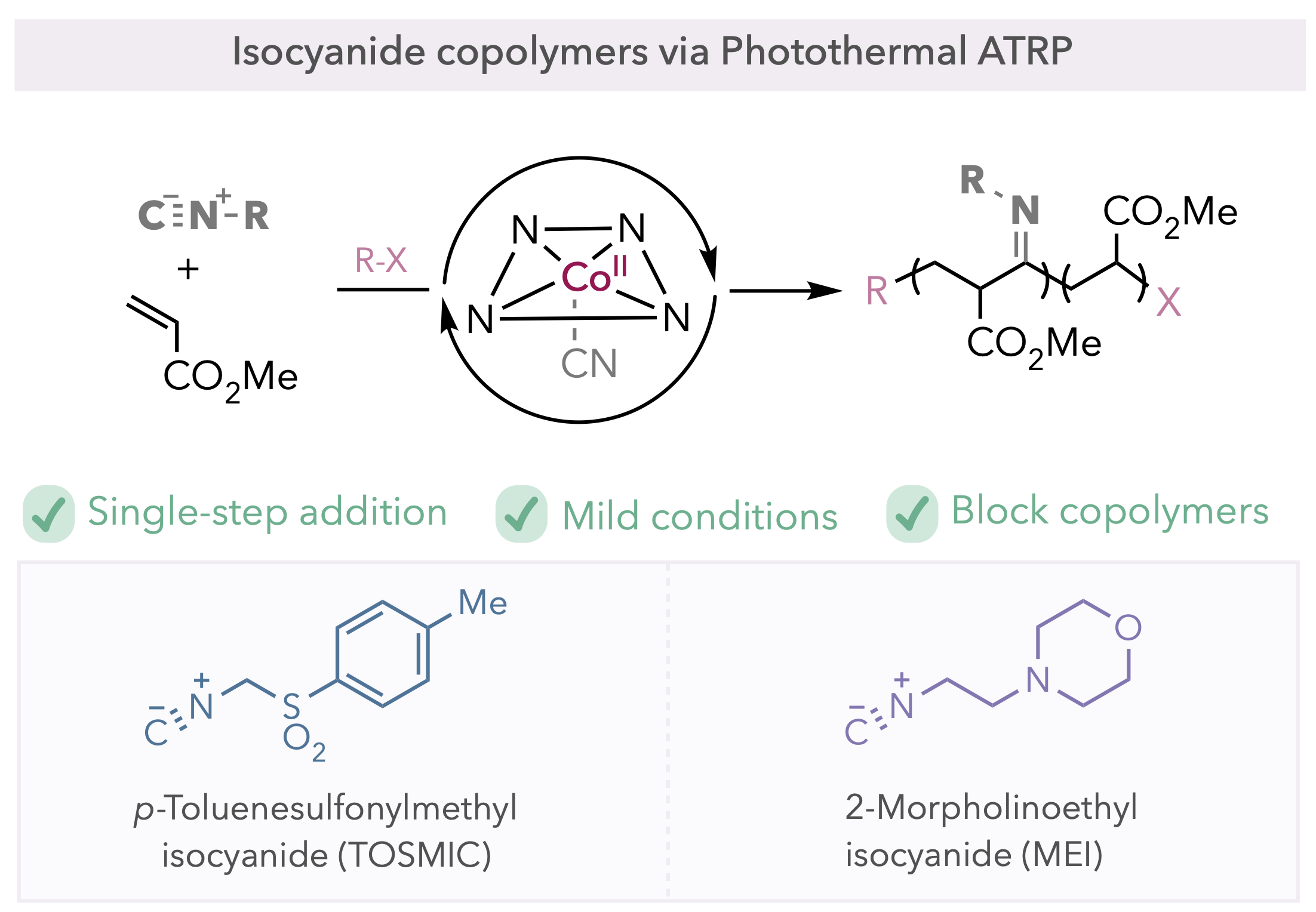
Photothermally-driven cobalt catalysed atom transfer radical polymerisation enables isocyanide copolymer synthesis
Polym. Chem. 2025, 16 (24), 2811–2816.
Communication
Publication Abstract
Design and synthesis of degradable polymers is a burgeoning area of research to combat plastic waste buildup. Here, a cobalt-catalysed atom transfer radical polymerisation (ATRP) turned on by photothermal conversion is used to synthesize photodegradable non-alternating acrylate-isocyanide copolymers. A simple one-step protocol enables control over copolymerisation with good chain-end fidelity under mild conditions. Although fundamentally a ground state reaction, we demonstrate temporal control via a unique localized heating strategy. Lastly, we demonstrate the advantage of this polymerisation compared to more traditional ATRP protocols.
-

Cumene-to-Phenol Process Mediated by Bromine Radicalsthrough Photoinduced Ligand-to-Metal Charge Transfer
Synlett 2025, 36 (12), 1743–1748.
Letter
Publication Abstract
Selective C–H activation via hydrogen atom transfer (HAT)
has gained significant interest recently. One industrial application for
HAT can be found in the tertiary benzylic C–H bond of cumene for producing phenol, a versatile chemical feedstock for various industries.
However, the overall phenol yield remains low using the existing Hock
process due to the poor selectivity towards the key reaction intermediate, cumene hydroperoxide (CHP). Here, we demonstrate an efficient
strategy for phenol production through photooxidation of cumene to
CHP using iron bromide under blue light irradiation, where bromine
radicals (generated in situ via ligand-to-metal charge transfer) are used
as hydrogen atom abstractors. Mechanistic studies revealed the cumene-to-CHP conversion occurred via a tertiary C–H bond abstraction
by a radical mechanism, and the acetic acid and water additives increased CHP selectivity through stabilizing peroxides. The cumene-phenol process achieved up to 88% yield of CHP in 1 hour and could be used
with a wide range of substrates. We thus developed a selective, mild,
and efficient phenol production method using iron bromide under photooxidative conditions. -

Tuning the Thermal Properties of Polymethacrylates With Bicyclobutane Monomers
J Polym. Sci. 2025, 63 (10), 2333–2340.
Article
Publication Abstract
Developing novel yet recyclable plastics is necessary as society advances and increases reliance on materials. Using new classes of monomers enables the synthesis of unprecedented polymers for new applications. Here, we report copolymerization with bicyclo[1.1.0]butane monomers to make polymers with strained backbone units and analyze the thermal property changes based on the % incorporation of strained monomers. We discover that even low incorporation (5%–20%) of methyl bicyclobutane-1-carboxylate (MBC) to poly(methyl methacrylate) (PMMA) increases degradation temperature while decreasing glass transition temperature. Efficient depolymerization is achieved for copolymers with 20% or fewer MBC units under photothermal conversion. Other comonomers (2-methoxyethyl methacrylate and oligo(ethylene glycol) monomethyl ethyl methacrylate) are also copolymerized with MBC, and we assess the changes in their thermal properties, including lower critical solution temperatures (LCSTs). Our work expands the understanding of how the strained MBC monomer plays a role in copolymerization, thermal characteristics, and depolymerization of copolymers.
-

Upcycling Poly(vinyl chloride) and Polystyrene Plastics Using Photothermal Conversion
J. Am. Chem. Soc. 2025, 147, 3, 2822–2828
Article
Publication Abstract
Poly(vinyl chloride) (PVC) and polystyrene (PS) are among the least recycled plastics. In this work, we developed a simple and novel strategy to valorize PVC and PS plastics via photothermal conversion to (1-chloroethyl)benzene, a commodity chemical with excellent versatility. As PVC is known to release HCl gas and decompose into conjugated polyenes, we envisioned a dual role for PVC plastics. While the in situ-generated HCl serves as a chlorine source, the resulting dehydrochlorinated-PVC (DHPVC) functions as a photothermal agent to accelerate the hydrochlorination of styrene. We converted PVC and styrene in up to 89% (1-chloroethyl)benzene in less than 1 h of white light irradiation. Subsequent nucleophilic substitution on the chloro-adduct formed 1-phenylethanol (a fragrance additive) and fendiline (a heart disease drug) in high yields. The PVC photothermal hydrochlorination system is applied to various alkenes and is compatible with post-consumer waste PVC plastics and plasticizers. Ultimately, PVC upcycling with photothermally recycled styrene achieved 84% (1-chloroethyl)benzene under white LED light in 1 h, and co-upcycling of PS and PVC achieved 42% yield under focused sunlight irradiation in just 4 min.
-
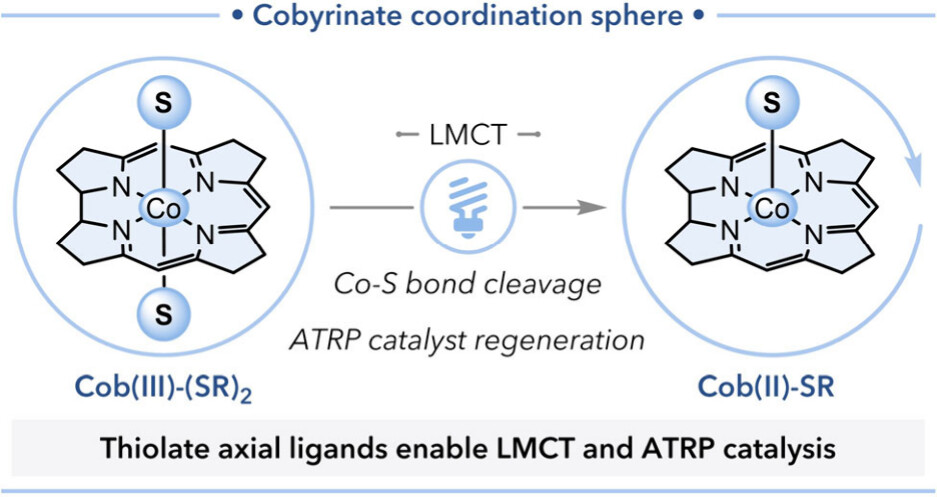
Red-Light-Induced Ligand-to-Metal Charge Transfer Catalysis by Tuning the Axial Coordination of Cobyrinate
J. Am. Chem. Soc. 2024, 146, 50, 34583–34590
Article
Publication Abstract
Photoinduced ligand-to-metal charge transfer (LMCT) is a powerful technique for the formation of reactive radical species via homolytic cleavage of the metal–ligand bond. Here, we present that the excited state LMCT of a cobyrinate complex can be accessed by tuning its axial coordination with thiolates as ligands. We demonstrate the photoreduction of cobalt via the excited state Co–S bond homolytic cleavage, as guided by the DFT calculations, which signify the relevance of thiolate axial ligands facilitating the LMCT reactivity. By exploiting this excited state LMCT of cobyrinate, we developed a catalyst-controlled activator regeneration mechanism to catalyze an efficient atom transfer radical polymerization (ATRP) under low-energy light irradiation. Tuning the coordination sphere of cobyrinate provides further control over the electronic properties of the complex while also accessing photothermal conversion in mediating ATRP catalysis.
-

Recycling of Post-Consumer Waste Polystyrene Using Commercial Plastic Additives
ACS Cent. Sci. 2025, 11, 1, 57–65
News coverage
Using sunlight to recycle black plastics – ACS Newsroom
Chemists discover common plastic pigment promotes depolymerization – PHYS.org
New process recycles black plastics using sunlight – C&ENArticle
Publication Abstract
Photothermal conversion can promote plastic depolymerization (chemical recycling to a monomer) through light-to-heat conversion. The highly localized temperature gradient near the photothermal agent surface allows selective heating with spatial control not observed with bulk pyrolysis. However, identifying and incorporating practical photothermal agents into plastics for end-of-life depolymerization have not been realized. Interestingly, plastics containing carbon black as a pigment present an ideal opportunity for photothermal conversion recycling. Herein, we use visible light to depolymerize polystyrene plastics into styrene monomers by using the dye in commercial black plastics. A model system is evaluated by synthesizing polystyrene–carbon black composites and depolymerizing under white LED light irradiation, producing styrene monomer in up to 60% yield. Excitingly, unmodified postconsumer black polystyrene samples are successfully depolymerized to a styrene monomer without adding catalysts or solvents. Using focused solar irradiation, yields up to 80% are observed in just 5 min. Furthermore, combining multiple types of polystyrene plastics with a small percentage of black polystyrene plastic enables full depolymerization of the mixture. This simple method leverages existing plastic additives to actualize a closed-loop economy of all-colored plastics.
-
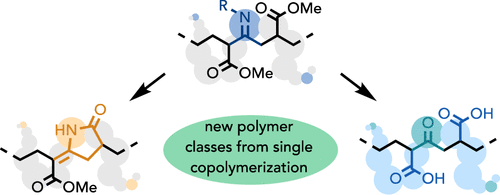
Photo-Iniferter RAFT Synthesis of Versatile, Nonalternating Poly(acrylate-co-isocyanides)
Macromolecules 2024, 57, 19, 9250–9256
Article
Publication Abstract
Nonalternating poly(isocyanide-co-acrylate) copolymers enable access to novel polymer microstructures with versatile chemistry and allow for designed mechanical properties, an important facet of combating the plastic waste crisis. While previous syntheses used cobalt-mediated radical polymerizations, the cobalt complex exhibits side reactivity, complicating control over polymerization. This work describes the application of an orthogonal, photocontrolled RAFT polymerization to a range of isocyanides with excellent temporal control. Under solvent-free conditions, adding monomers with a standard chain transfer agent (CTA) results in the synthesis of copolymers that are then transformed into several novel microstructures. Interestingly, we discover that the isocyanide units can undergo cyclization of the backbone, resulting in an unexampled polyamide-like copolymer containing the pyrrolidone ring. Moreover, we generate poly(acrylic acid)-like copolymers with small amounts of ketone linkages through hydrolysis, enabling faster degradation rates for this class of polymer.
-
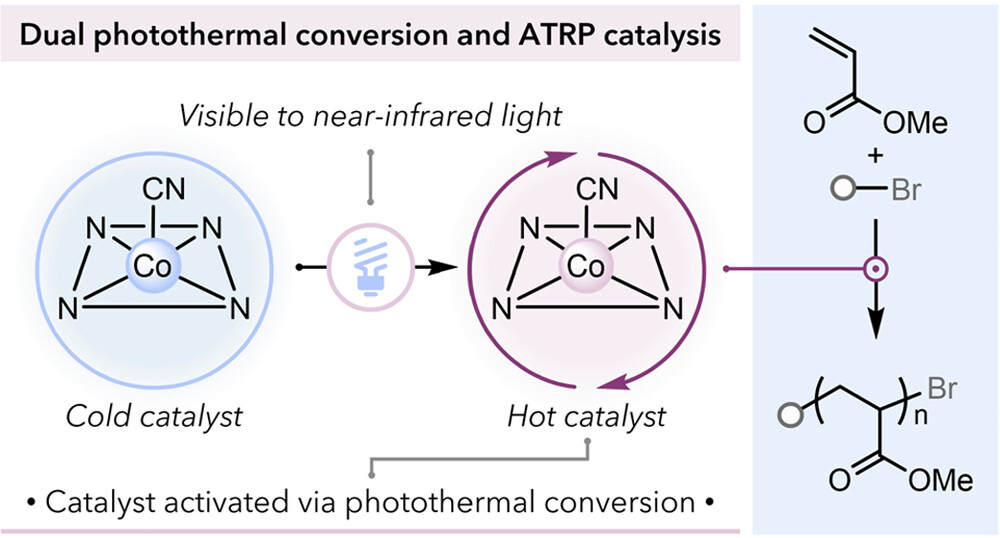
Molecular Photothermal Conversion Catalyst Promotes Photocontrolled Atom Transfer Radical Polymerization
J. Am. Chem. Soc. 2024, 146, 8852-8857
Communication
Publication Abstract
Photothermal conversion is a growing research area that promotes thermal transformations with visible light irradiation. However, few examples of dual photothermal conversion and catalysis limit the power of this phenomenon. Here, we take inspiration from nature’s ability to use porphyrinic compounds for nonradiative relaxation to convert light into heat to facilitate thermal polymerization catalysis. We identify the photothermal conversion catalytic activity of a vitamin B12 derivative, heptamethyl ester cobyrinate (HME-Cob), to perform atom transfer radical polymerization (ATRP) under irradiation. Rapid polymerization are obtained under photothermal activation while maintaining good control over polymerization with the aid of a photoinitiator to enable light-induced catalyst regeneration. The catalyst exhibits exquisite temporal control in photocontrolled thermal polymerization. Ultimately, the activation of this complex is accessed across a broad range of wavelengths, including near-IR light, with excellent temporal control. This work showcases the potential of developing photothermal conversion catalysts.
-

Selective poly(vinyl ether) upcycling via photooxidative degradation with visible light
Chem. Sci. 2024, 15, 1840-1845
Edge Article
Publication Abstract
Poly(vinyl ethers) (PVEs) have many applications, such as adhesives, lubricants, and anticorrosive agents, thanks to their elastic, nonirritating, and chemically inert properties. The recycling of PVEs remains largely underexplored, and current methods lack generality towards other polymer classes. Thus, the chemical upcycling of PVE into small molecule feedstocks would provide an alternative approach to combat these current issues. Here, we report a visible light-mediated method of upcycling poly(isobutyl vinyl ether) (PIBVE) into small molecules via photooxidative degradation using chlorine or bromine radicals. PIBVE can be degraded to low molecular weight oligomers within 2 h, producing good yields of alcohols, aldehydes, and carboxylic acids. Mechanistic studies suggest that hydrogen atom transfer (HAT) from the backbone or the side chain leads to small molecule generation via oxidative cleavages. Additionally, this protocol was applied to a copolymer of poly(methyl acrylate-co-isobutyl vinyl ether) to demonstrate the preference for the degradation of polymers bearing more electron-rich C–H bonds through a judicious choice of abstraction agent. Ultimately, we show that photooxidative degradation enables the selective chemical upcycling of PVEs as a method of plastic waste valorization.
-
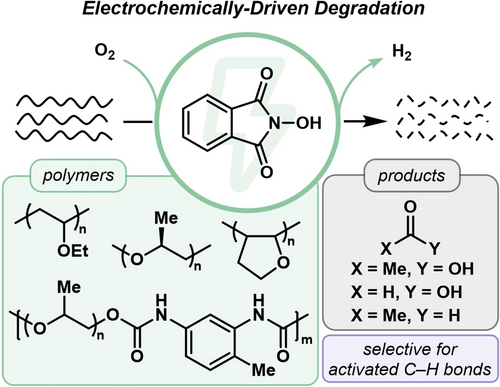
Selective Electrocatalytic Degradation of Ether-Containing Polymers
Angew. Chem. Int. Ed. 2023, e202316578
Communication
Publication Abstract
Leveraging electrochemistry to degrade robust polymeric materials has the potential to impact society’s growing issue of plastic waste. Herein, we develop an electrocatalytic oxidative degradation of polyethers and poly(vinyl ethers) via electrochemically mediated hydrogen atom transfer (HAT) followed by oxidative polymer degradation promoted by molecular oxygen. We investigated the selectivity and efficiency of this method, finding our conditions to be highly selective for polymers with hydridic, electron-rich C−H bonds. We leveraged this reactivity to degrade polyethers and poly(vinyl ethers) in the presence of polymethacrylates and polyacrylates with complete selectivity. Furthermore, this method made polyacrylates degradable by incorporation of ether units into the polymer backbone. We quantified degradation products, identifying up to 36 mol % of defined oxidation products, including acetic acid, formic acid, and acetaldehyde, and we extended this method to degrade a polyether-based polyurethane in a green solvent. This work demonstrates a facile, electrochemically-driven route to degrade polymers containing ether functionalities.
-
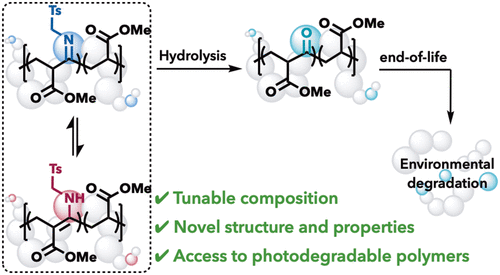
Controlled Radical Polymerization of Acrylates and Isocyanides Installs Degradable Functionality into Novel Copolymers
J. Am. Chem. Soc. 2023, 145, 37, 20311–20318
Article
Publication Abstract
Installing ketones into a polymer backbone is a known method for introducing photodegradability into polymers; however, most current methods are limited to ethylene–carbon monoxide copolymerization. Here we use isocyanides in place of carbon monoxide in a copolymerization strategy to access degradable nonalternating poly(ketones) that either maintain or enhance the thermal properties. A cobalt-mediated radical polymerization of acrylates and isocyanides synthesizes nonalternating poly(acrylate-co-isocyanide) copolymers with tunable incorporation using monomer feed ratios. The kinetic product of the polymerization is a dynamic β-imine ester that tautomerizes to the β-enamine ester. Hydrolysis of this copolymer affords a third copolymer microstructure─the elusive nonalternating poly(ketone)─from a single copolymerization strategy. Analysis of the copolymer properties demonstrates tunable thermal properties with the degree of incorporation. Finally, we show that poly(acrylate-co-isocyanide) and poly(acrylate-co-ketone) are photodegradable with 390 nm light, enabling chain cleavage.
-
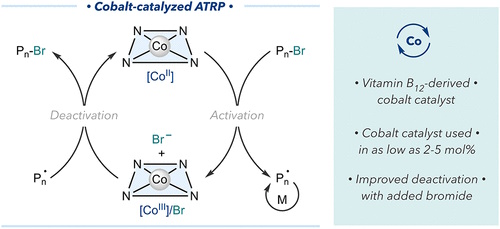
Vitamin B12 Derivative Enables Cobalt-Catalyzed Atom Transfer Radical Polymerization
J. Am. Chem. Soc. 2023, 145, 35, 19387–19395
Article
Publication Abstract
Advances in controlled radical polymerizations by cobalt complexes have primarily taken advantage of the reactivity of cobalt as a persistent radical to reversibly deactivate propagating chains by forming a carbon–cobalt bond. However, cobalt-mediated radical polymerizations require stoichiometric ratios of a cobalt complex, deterring its utility in synthesizing well-defined polymers. Here, we developed a strategy to use cobalt as a catalyst to control radical polymerizations via halogen atom transfer with alkyl halide initiators. Using a modified, hydrophobic analogue of vitamin B12 (heptamethyl ester cobyrinate) as a cobalt precatalyst, we controlled the polymerization of acrylate monomers. The polymerization efficiency of the cobalt catalyst was significantly improved by additional bromide anions, which enhanced the deactivation of propagating radicals yielding polymers with dispersity values <1.2 using catalyst concentrations as low as 5 mol %. We anticipate that the development of cobalt catalysis in atom transfer radical polymerization will enable new opportunities in designing catalytic systems for the controlled synthesis of polymers.
-
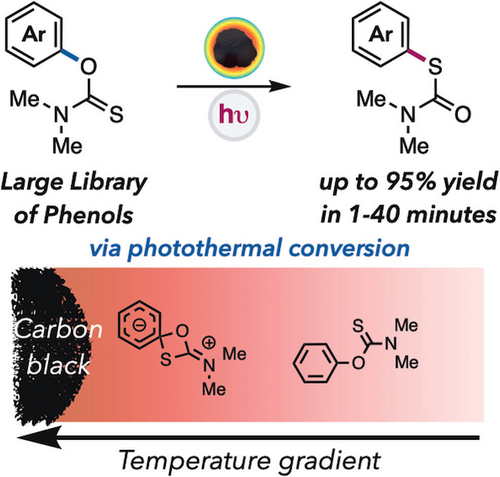
Photothermal Conversion by Carbon Black Facilitates Aryl Migration by Photon‐Promoted Temperature Gradients
Angew. Chem. Int. Ed. 2023, e202308648
Communication
Publication Abstract
The Newman Kwart Rearrangement (NKR) offers an efficient and high-yielding method for producing substituted thiophenols from phenols. While an industrially important protocol, it suffers from high activation energy barriers (35-43 kcal/mol), requiring the use of extreme temperatures (>200 °C) and specialty equipment. This report details a highly efficient and straightforward method for facilitating the NKR using photothermal conversion. This underused, unique reactivity pathway arises from the irradiation of nanomaterials that relax via a non-radiative decay pathway to generate intense thermal gradients. We show carbon black (CB) can be an inexpensive and abundant photothermal agent under visible light irradiation to achieve a facile NKR under mild conditions. The scope includes a wide array of stereo- and electronically diverse substrates with increasing difficulty of rearrangement, including BHT and BINOL as effective substrates. Furthermore, we demonstrate the unique application for temporal control in a thermal reaction and tunability of thermal gradients by modulating light intensity. Ultimately, photothermal conversion enables high-temperature reactions with simple, visible light irradiation.
Review/Perspective Articles
-
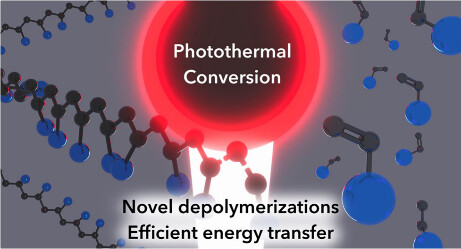
Emerging Plastic Recycling Strategies Based on Photothermal Conversion
ACS Appl. Polym. Mater. 2025, 7, 3, 1163–1174
Review
Publication Abstract
Increasing plastic pollution presents a significant challenge for humanity and ecosystems. Photothermal (light-to-heat) conversion has emerged as a promising strategy for recycling plastic waste. Upon light irradiation, photothermal agents provide intense thermal gradients localized to their surfaces, wherein the heat exceeds the degradation temperature (Td) of polymers, inducing efficient depolymerization and/or degradation. Thermoplastics (including polyethylene terephthalate (PET), polypropylene (PP), polyethylene (PE), polystyrene (PS), and polycarbonate (PC)) and thermosets (epoxy resin) are subject to efficient degradation under mild conditions. This review summarizes some key results and advancements in polymer waste mitigation using photothermal conversion depolymerization and upcycling.
-
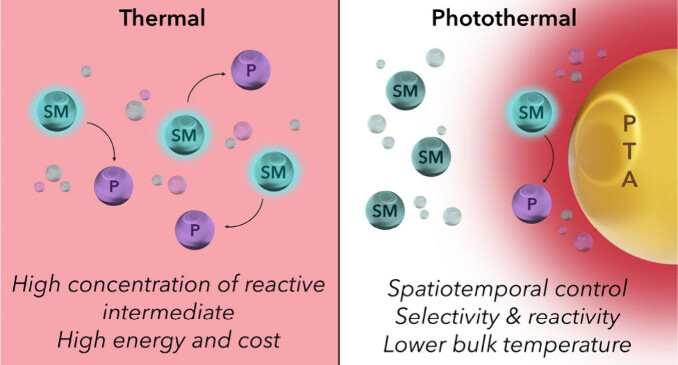
Recent Applications of Photothermal Conversion in Organic Synthesis
ACS Cent. Sci. 2024, 10, 8, 1460-1472.
Outlook
Publication Abstract
Photothermal conversion is a novel heating method that has emerged in recent years, wherein certain species can convert light to heat with great efficiency. These photothermal agents have shown immense promise for generating nanoscale thermal gradients under mild, visible light irradiation, providing a pathway for combining photochemistry with thermally driven reactivity. While this novel heating mechanism has been leveraged to great effect for applications such as photothermal therapeutics and steam water purification, it has seen limited use in organic synthesis. This outlook explores instances wherein the photothermal effect was used directly or as a synergistic component to drive organic reactions and postulates how it may be used moving forward.
-
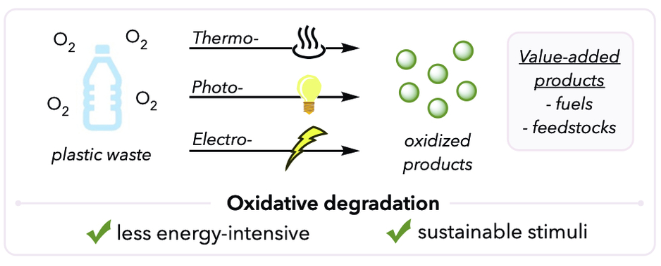
Recent advances in oxidative degradation of plastics
Chem. Soc. Rev. 2024, 53, 7309-7327
Tutorial Review
Publication Abstract
Oxidative degradation is a powerful method to degrade plastics into oligomers and small oxidized products. While thermal energy has been conventionally employed as an external stimulus, recent advances in photochemistry have enabled photocatalytic oxidative degradation of polymers under mild conditions. This tutorial review presents an overview of oxidative degradation, from its earliest examples to emerging strategies. This review briefly discusses the motivation and the development of thermal oxidative degradation of polymers with a focus on underlying mechanisms. Then, we will examine modern studies primarily relevant to catalytic thermal oxidative degradation and photocatalytic oxidative degradation. Lastly, we highlight some unique studies using unconventional approaches for oxidative polymer degradation, such as electrochemistry.
-
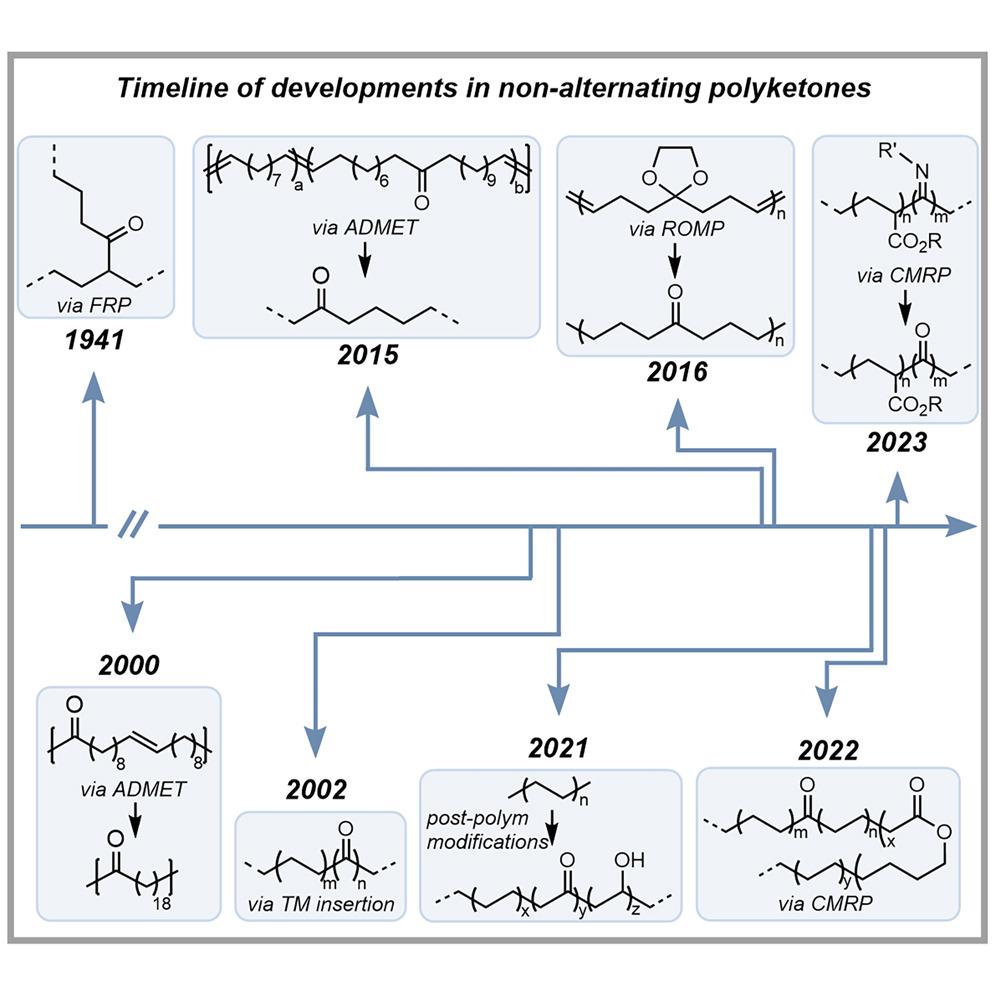
An old polymer class revisited: Versatile, degradable, non-alternating polyketones
Communication
Publication Abstract
Commercial plastics are essential to our society; however, they persist in the environment due to their chemical inertness. Plastic pollution causes serious environmental problems, necessitating new, sustainable strategies to break them down. Developing degradable materials that will decompose in the environment is of immense interest. However, these materials must also be of commercial relevance, and easily degradable polymers often do not display the necessary physical properties. This perspective will highlight one of these polymer classes: non-alternating polyketones. Historical perspective on the original synthesis and recent advances for synthesizing these materials highlight the longstanding interest in these polymers. Additionally, post-polymerization modifications and photodegradation studies will provide context for the potential applications of these interesting polymers.
-
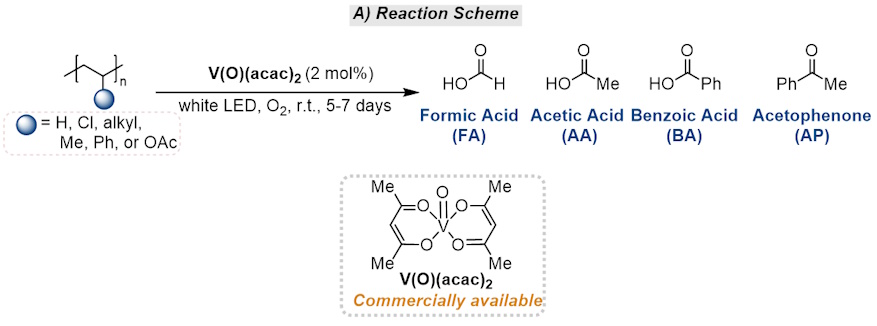
From Trash to Treasure: Vanadium-Catalyzed Upcycling of Non-Biodegradable Plastics
Preview
Publication Abstract
Managing plastic waste is a challenging and pressing problem. In this issue of Chem, Soo and co-workers valorize commercial plastics and post-consumer plastic waste into isolable products, including formic acid, acetic acid, and benzoic acid, through vanadium-catalyzed tandem C–H oxidation and C–C cleavage photoreactions.
-
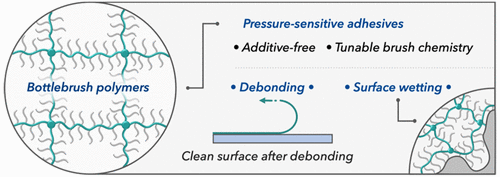
Sticky or Not: Adhesion by Architectural Design
ACS Cent. Sci. 2023, 9, 2, 134–136
First Reactions
Publication Abstract
That sticky residue left behind when a piece of electrical tape is removed─no more! In this issue of ACS Central Science, Dobrynin, Sheiko, and co-workers describe novel pressure-sensitive adhesives (PSAs) through the architectural engineering of bottlebrush polymers. These new adhesives are additive-free, meaning they do not leave behind a residue after debonding, typical of many commercial pressure-sensitive adhesives.